
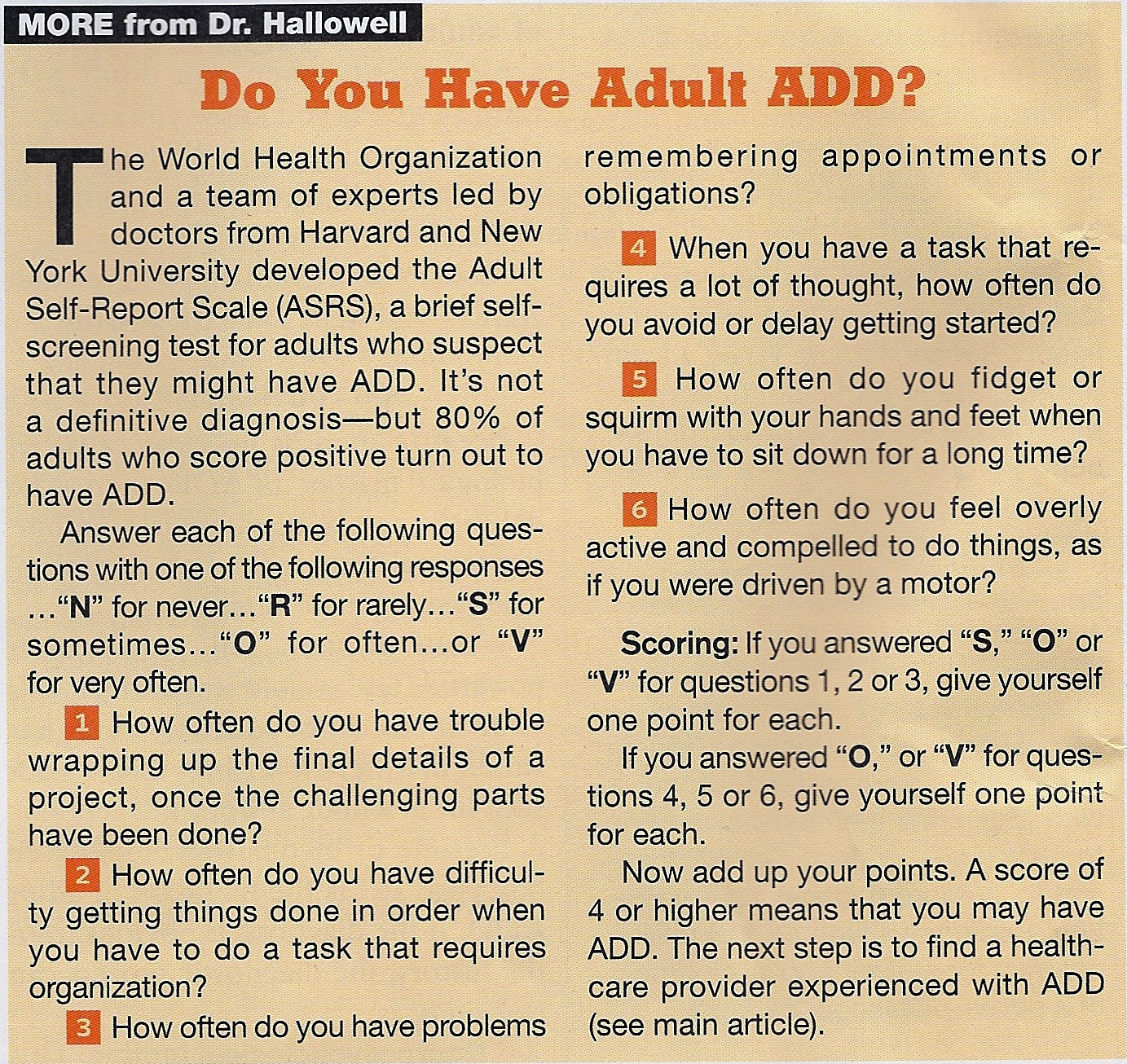
 I don’t know if I would have passed this test or not. I got distracted and didn’t finish it. <rim shot> Anyway… I ran across this test in Bottom Line Personal, February 15, 2011. I actually scored a four, so I guess I’m borderline. Not something that comes as a surprise to me! If you’re still reading and haven’t clicked on to the next site, you might want to take the test.
Happy Valentine’s Day

One of my new favorite online cartoonists, Doug Savage has a site, www.savagechickens.com, where all his cartoons are drawn in a sticky note format similar to the one above. Check him out!
Wishing everyone a Happy Valentine’s Day! – Kevin
Pulverizer
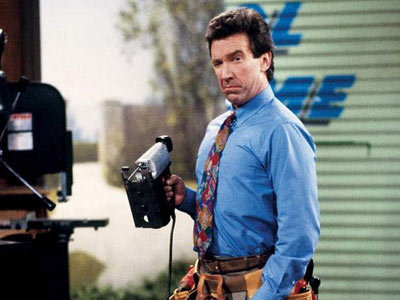 We can’t all be Tim Taylor of Home Improvement or worse, the reality version, Norm Abram from This Old House. You know these guys. They have every tool known to man… and often a few they created on their own.
This doesn’t mean that there isn’t something to having the right tool for the job. Case in point, the Pulverizer is a 3.3 lb demolition hammer with a 1-1/2″ hammer face and two prying faces with serrations for improved bite. Couple this with a rubberized grip to cushion your hand from jarring blows. This is a compact tool that will do a lot of damage on your next demolition project. (Insert your own Tim Taylor simian grunts here.)

Available from Amazon.com for $34.99, it is a fairly economical, heavy duty tool.
What they say about it:
Development on the South Side of Culver
 As recently discussed here, the Culver Plan Commission rezoned the newly annexed area on the south side of Culver to a residential mix of R-1 and R-2. I think the annexation, the rezoning and the planned sewer and water extensions are positive steps towards growth. Now I think there should be a discussion about the future of this area.
The Plan Commission needs to spend a little time forming a vision for this area. The rezonings are a step in the right direction, but I believe they should take the reins, meet with the property owners and look at what should happen. Of course I have my opinions…
Happy Birthday Ronald Reagan

Today is the 100th Anniversary of Ronald Reagan’s birth. It’s been interesting to see both Republicans and Democrats try to lay claim to Reagan’s legacy. Willie L. Brown appeared on Meet the Press today giving his take on how much Barack Obama is like Ronald Reagan. To paraphrase Mr. Brown, President Obama was held back from showing us this in the first two years of his presidency by the progressive left that controlled the Congress and Senate. Really!?! Wow!
Ronald Reagan accomplished many things in his two terms as President. It seems both sides now look back on him positively with nostalgia. Here are a few of Ronald Reagan’s best quotes from The Quotation Page as a reminder of what he stood for and why he was called “The Great Communicator”.
“I don’t believe in a government that protects us from ourselves.”
To learn more about Ronald Reagan visit the Ronald Reagan Library website here.