Starter Home Barriers

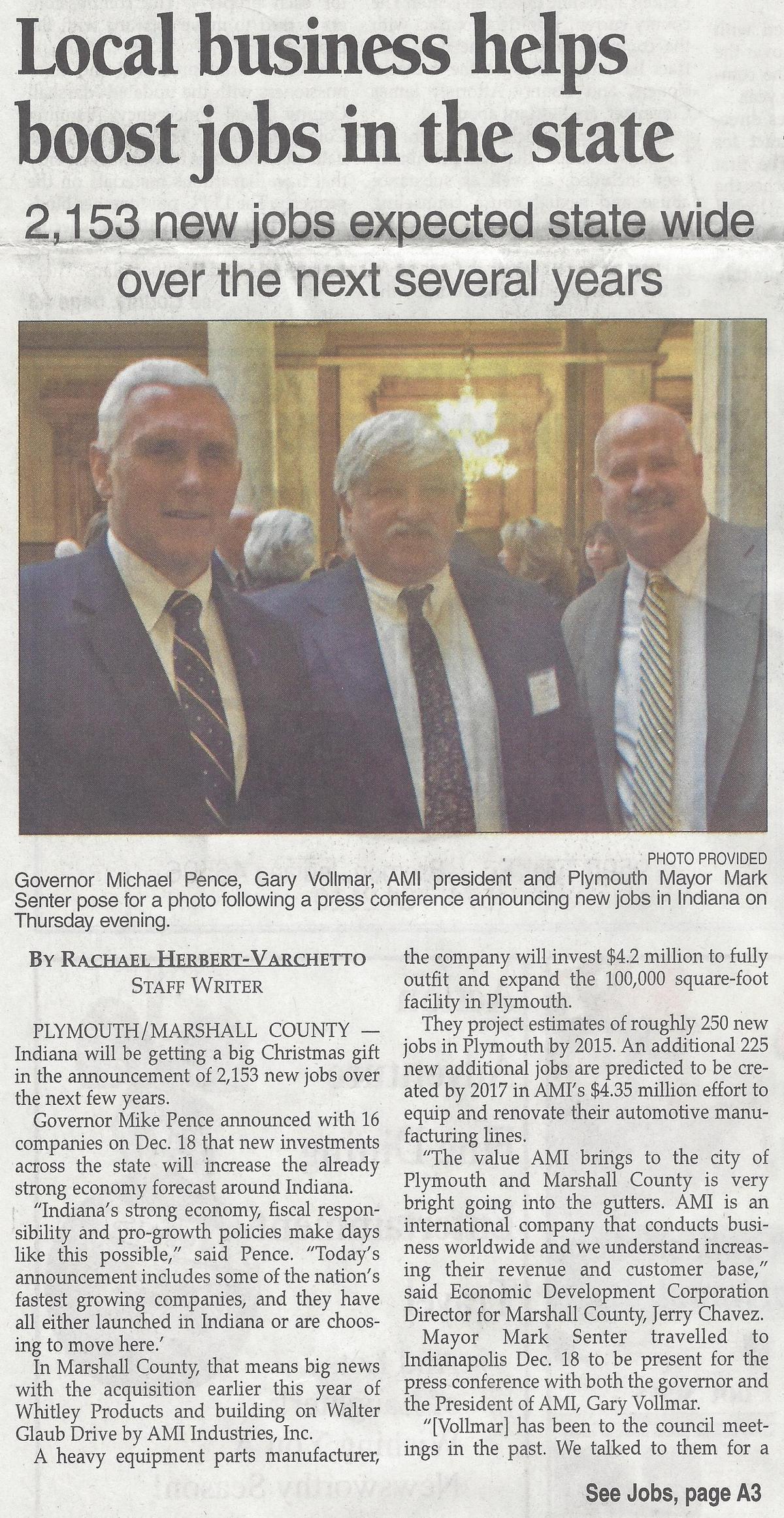
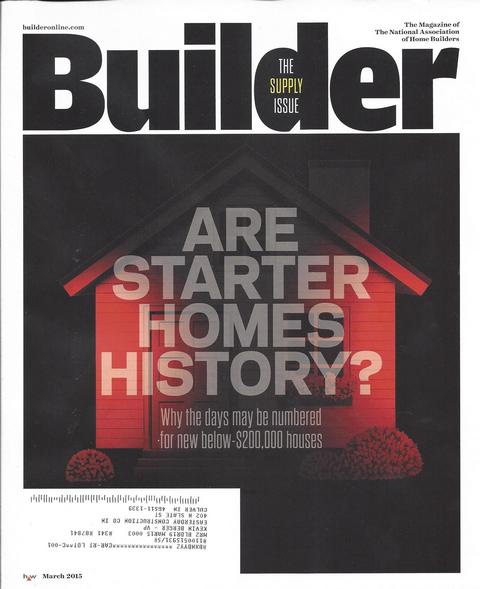
Builder Magazine Cover - March '15As a way to track my thoughts and findings on Affordable Housing, I plan to continue posts here under the tags of “Affordable Housing” and “Sand Hill Farm“.  This will include my thoughts and recollections from Culver’s Affordable Housing Task Force meetings.  That way anyone interested in my take can follow along.

In that vein, I just read an article in Builder magazine titled:  “Are New Starter Homes History?”  I found some interesting take-aways from the article.  Two of the biggest are that they consider a home under $200,000 a starter home and that the general rule for starter homes is 2.5 time median household income, which according to our last Affordable Housing Task Force meeting puts a starter home in Culver at $113,000.  That’s not happening by any stretch of the imagination without serious subsidizing.  Here are some other take-aways from the article:

  1. Making a $200,000 home work is Junior-high-level math.  Solving for 20% profit – Land and building direct costs cannot exceed $160,000.
  2. The lowest build cost is around $50 a foot. To be competitive with existing stock, you need a 2000 sf home which gives you $100,000 for bricks and sticks and $60,000 for the lot.  (That is a price for a developed lot with all the infrastructure, e.g., water, sewer, storm, streets, sidewalks, street lights, etc.)
  3. Metrostudy guidelines say estimated price per bulk lots has gone up from around $50,000 in the recession to over $80.000.
  4. Even if land can be secured at a reasonable cost, cash-thirsty localities heap fees upon fees that weigh more and more heavily on the final home price.
  5. Residential material costs have risen 45% in the last decade.
  6. One way to reduce per lot land costs is to increase density.
  7. Value engineering can bring down costs at the expense of amenities, i.e. build a no frills box.
  8. One question is does today’s starter-home buyer – a millennial adult more often than not  –  want to move into a boxy, no-frills home with Formica and vinyl after living in high-tech student housing and ritzy apartments.  The expectation of what a customer thinks an entry level house is can be crazy.  They want granite countertops, tile backsplash and stainless steel appliances.
  9. There are political ramifications to introducing lower-income citizens into established communities.  Entry-level buyers new to the neighborhood take the not-in-my-backyard hit.

A lot of these are tainted by location.  The commentary about millennials as the target may not be the same here, but when we target starting teachers, we may run into that mindset.  Some of the expectations for the subsidized housing that Culver Academies provides gives credence to this mindset.

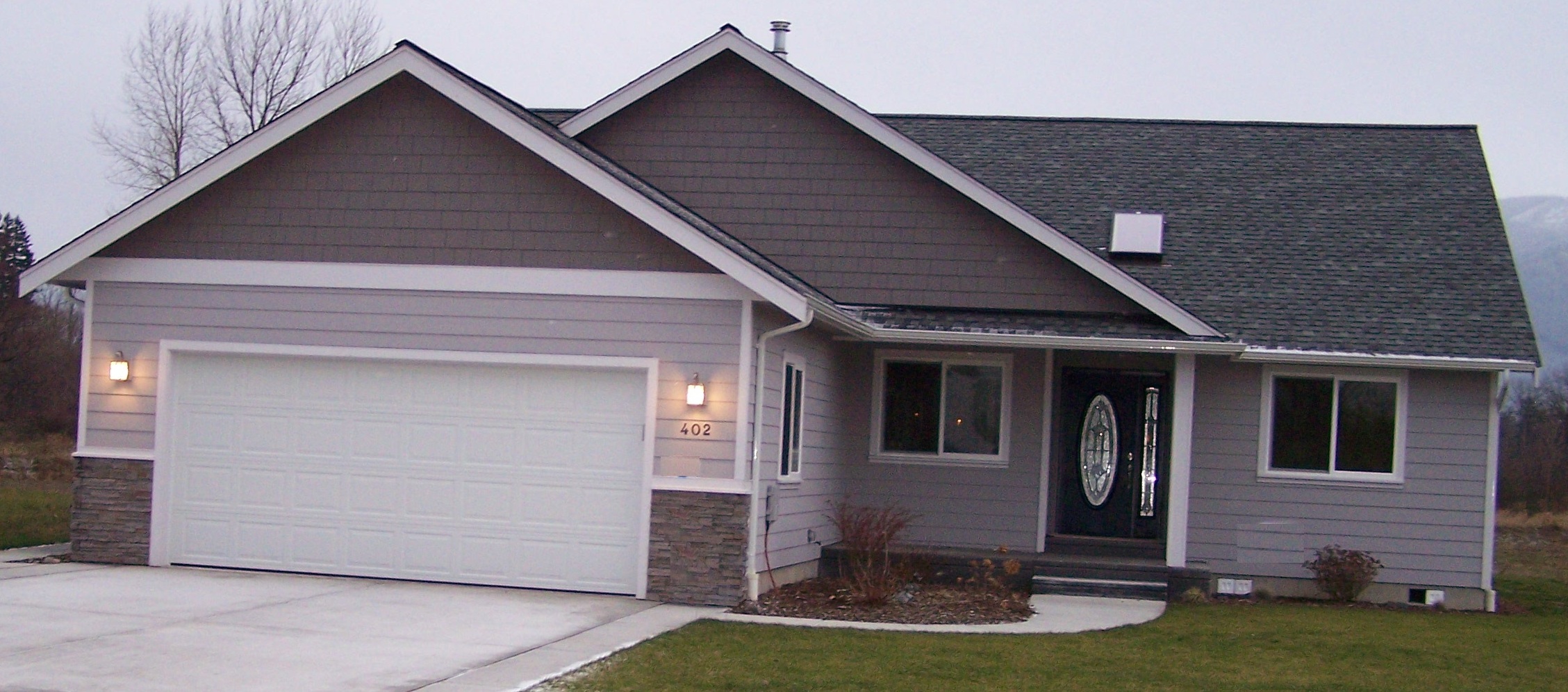
Home Image Source:  Duane Sala Construction

Affordable Housing Update

Culver took a step forward with their Affordable Housing Task Force on Wednesday March 11th.  Representatives from the Town Council, Redevelopment Commission, Plan Commission, Public Schools, Culver Academies and MCEDC met at the library to discuss the issues and goals regarding affordable housing.  With the exception of two with staff positions, all were volunteers from the community stepping up to try and make things better.

Read more

Pocket Neighborhoods

I had written a blog post a couple of years ago about Pocket Towns.  Recently Brent Martin of SRKM Architects sent me a link discussing Pocket Neighborhoods by a different architectural firm with a similar concept.  Brent alluded to this as a possible Affordable Housing solution for Culver.  As with my previous blog post, I can see this having potential in Culver and for Sand Hill Farm.  Currently there is a similar concept, though not an attempt at Affordable Housing, winding its way through a PUD approval at the Culver Plan Commission.  It is a development under consideration on the north side of town that I’m watching with interest.  The PUD framework would allow for the necessary zoning adaptations, but does require a commercial element.  I think the PUD under current consideration is stretching that concept, but technically meets it.  I think it can be done more effectively though.

I continue to think the pocket neighborhood idea is intriguing and while I do not see this working for a large development, I do see how it can be a part of a larger development and could be adapted to an Affordable Housing model.  Below is a sketch from the Pocket Neighborhood website that shows the concept.  Very interesting.


Picture sources:  Pocket Neighborhoods

Living in a Box!

Shipping Container Home

As the song goes, “I’m Living in a Box”.  Maybe this is an answer to Culver’s Affordable Housing Crisis?  I ran across this on the Viralands site.  I’ve seen several different versions of Shipping Container Construction, many of them designed as affordable housing, including some that are multi-story which I showed here before. I think this is one of the more attractive ones though.  There are more pictures at the site here.

Currently this would not fly under Culver’s Zoning Ordinance without a variance since the square footage would be too small.  It would probably also spark a spirited discussion with the County Building Inspector since it wouldn’t fit neatly into current building codes.  It is an interesting concept though and at the stated $2,000 for a used shipping container, it would be hard to beat that price for the shell of your new home.  This would have to be some of the ultimate recycling as well, so it’s definitely green!

Picture Source:  Viralands

Marshall County Job Growth

Job Numbers - Pilot News 12-20-14Culver government has taken a long break over the November/December holidays.  I know the holidays are tough for scheduling meetings, we are having some changing of the guard on various boards and commissions, and we haven’t found a new Town Manager yet.  <sigh!>  Acknowledging all that, business is moving forward.  The article to the right cites “2,153 new jobs expected state wide over the next few years.”  That number doesn’t seem as big when you consider that Marshall County businesses are projecting the addition of 500 jobs THIS YEAR!  Aggressive Manufacturing Innovations (AMI) is mentioned here adding 250 jobs in 2015.  In Culver, Elkay is projected the need for 100 new employees during their tax abatement hearing last year.

Culver’s To-Do list includes the following:

  1. Complete an Action Plan.  This was discussed at the Comprehensive Plan Implementation Meeting last fall.  This would be the first step in defining steps to implement the Comprehensive Plan, which leads to To-Do list #2;
  2. Complete a Capital Improvement Plan (CIP).  This would put dollar amounts on the Action items so that things can be further prioritized and necessary funds can be budgeted.
  3. Address the Housing issue.  The Town Council made promises to Elkay that they would form a Task Force and address the issues, but so far, the Task Force has yet to meet.  I did attend the Affordable Housing Summit in Chicago which was a useful first step, but we’ve yet to have a meeting where I can relate what I learned.  (Which is fading fast in my limited memory!)

Next week the Culver Town Council will convene with the new board members, elect leadership and begin making their appointments to the subsidiary boards and commissions.  Taking the next steps to kick off the Affordable Housing Task Force and hold an Action Plan meeting can’t happen too quickly after that.  Time is of the Essence…

Image Source:  Scan from Pilot News 12-20-14