

$249 at Amazon
A couple of weeks ago I discussed the Nest Thermostat. (See that article here.) One of the questions I have when I see something like this is whether there is return on investment (ROI) or in the case of green technology, is it Green That Saves Green?
According to Remodeling Magazine a programmable thermostat has a payoff in 1-10 years depending on the thermostat installed and the situation in which it will be used. I’ve included some bare bones excerpts here, but for the complete article, check out page 40 in the November 2012 issue of Remodeling Magazine here.
Programmable Thermostat – Materials: $50-$350, Labor: 1-3 hrs, Estimated ROI: <1yr – 10yr
Low Flow Faucets & Fixtures – Materials: $1-$500+, Labor: 15 min – 4 hrs, Estimated ROI: <1yr – 5yr
Tankless Water Heater – Materials: $1,500-$3.500, Labor: 4-8 hr, Estimated ROI: 5yr – 15yr
Air Sealing – Materials: $50-$6,000, Labor: 4-40 hrs, Estimated ROI: <1yr – 8yr
Insulation – Materials: $200-$10,000, Labor: 4-100 hrs, Estmated ROI: 5yr – 15yr
On Demand Circulation Pump – Materials: $50-$150, Labor: 4-6hrs, Estimated ROI: 1yr – 2yr+
* The labor estimates above do not include travel time.

 A recent post on the
  When I think of “Loft Space” I think of open concept and high ceilings, generally having exposed trusses and often having spiral duct HVAC systems. (I love Google Image search, but it’s frustrating when I look through so many pictures and don’t find exactly what I want. This time I came pretty darn close!) It is very much the look Larry Surrisi went for in the original design of
 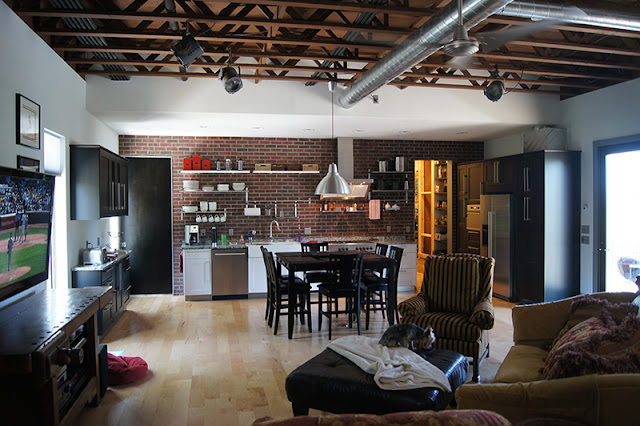 This is very much what
 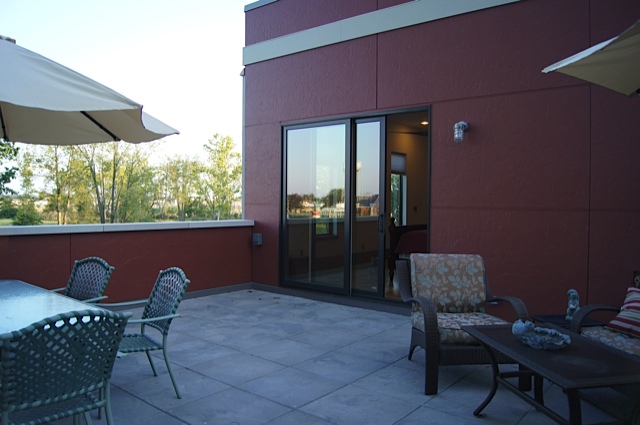 I like the flat roof patios. I’m picturing them along the east property line of the Sand Hill Farm Development where they would look out over the baseball diamonds. It could be an interesting concept there. I also like the multifamily format. I think some limited mix of this type of building could fit well in my mixed use scheme. As mentioned above, it would be something different for Culver. I also wonder if it could be modified to work with a more traditional loft theme where there could be some home-based retail on the first floor, possibly moving the garage entrance to the back off of an alley. There’s potential here!
