
 I sit on the Affordable Housing Task Force for Culver and as part of that as well as wearing my MCEDC hat, I sat in on a meeting at the Culver Library with Darin Edwards, Underwriting and Closing Manager for IHCDA. The meeting was arranged by Jerry Chavez, MCEDC Executive Director, and included representatives from the Marshall County communities of Culver, Argos, Plymouth and Bremen.
Trends
Solar Roadways

I ran across this site for Solar Roadways the other day. This is a pretty cool concept if they can get it off the ground. The basic concept is to “pave” roads and sidewalks with durable solar panels. Not only would they generate electricity, theoretically paying for themselves, but also have benefits:
- Lighted Pavement Markings, which would be below the surface. They would never need to be “restriped” and would be visible at night.
- They would have internal heating elements to melt snow in the winter time.
- Power street lights, stop lights, etc.
- They could post emergency messages or warnings.
- Include sensors that could alert motorists to problems down the road.
It seems like there are lots of possibilities if this works out. It’s conceivable that every home could have a driveway from this material as supplemental power.
The company is generating funds from a Federal Highway Grant as well as crowdfunding. (Linked at their site.) Check them out. They have a lot of cool pictures… some conceptual and some actual prototypes.
Image Source: Solar Roadways
Smaller Home Sizes
My post regarding Starter Home Barriers sparked some conversation about the square footage of a starter home, particularly regarding the 2,000 minimum home size discussed in the Builder magazine article. Many of the points about that possibly being unrealistically large for Culver were valid. Since I was paraphrasing the article in the previous quote, it seemed appropriate to stick with their numbers and rationales.

In any case, the discussion prompted me to do a little further research into smaller home sizes. I did find the Zero Energy Design website which included several smaller residential footprints ranging from a 1 bedroom/1 bathroom at 624sf to a 3 bedroom/2 bathroom at 1120sf. (Apparently in a ZED home no one watches TV as they don’t even appear to allow a place for one in their room furniture layout.) While I know the boxy design is the most efficient, I would hope we can be a little more creative in our floor plans.
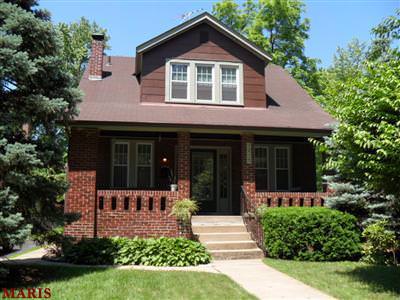
I also notice that almost all the small footprint homes are single story. I don’t know if that’s because they are often geared towards the elderly and are trying to make them as accessible as possible or if there is just a predisposition to single story now. Going back to a story-and-a-half design could provide some additional efficient space. The boxy design lends itself well to prefabricated construction, but we have had good success with panelized construction which is also efficient where duplication of layouts is possible.
I think the infrastructure issues will be more telling than the house floor plan in what the end selling or renting point is. As with their square foot home size, I think the lot buildout may be more economical here, but probably not by much. Many of the same regulations apply and our Comp Plan pushes more measures such as “complete streets” which add costs.
Marshall County Has Net Out-Migration
 At the March Marshall County Development for the Future round table discussion, Jeff Rae made a presentation and included a few charts, one of which I have included to the right. (Click on it to blow it up to a readable size.) It basically shows the entire State of Indiana showing the projected Net Migration by region and by county. By either metric, Marshall County has net out-migration. MCEDC and other groups are working to reverse this. Culver specifically is working to reverse this via their newly formed Affordable Housing Task Force. This is not a problem that will go away on its own. Progressive action will be required.
