
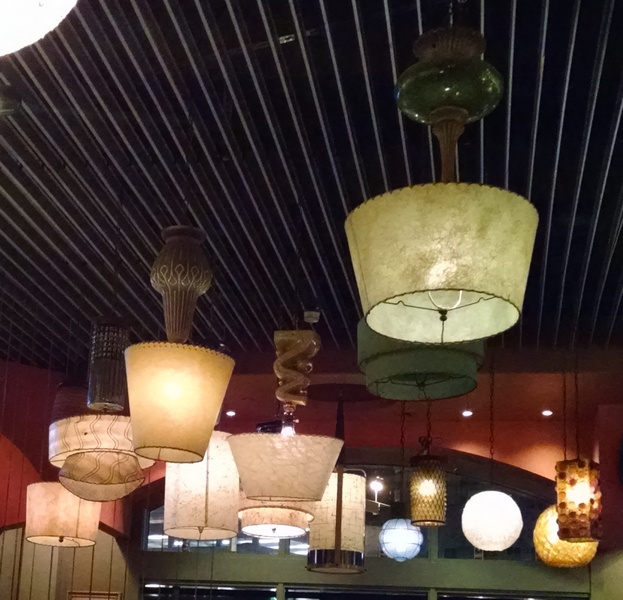
 Becky often gives me grief about not turning things off when we’re out somewhere. When I walk through a parking lot I am looking at the lane layout, the slopes, the drainage structures and drainage patterns. When we’re sitting in a restaurant or someone’s home, I’m looking at the details of how the trim was completed, the lights that were used and the lighting patterns that were created. I can usually tell whether someone else was thinking of these things or whether they where haphazardly done. A lot of these things I file away for future reference and they will appear in some incarnation in a future project if it’s something I liked. I’ve always believed the adage that imitation is the sincerest form of flattery…
Where Your Tax Dollars go…

Smaller Home Sizes
My post regarding Starter Home Barriers sparked some conversation about the square footage of a starter home, particularly regarding the 2,000 minimum home size discussed in the Builder magazine article. Many of the points about that possibly being unrealistically large for Culver were valid. Since I was paraphrasing the article in the previous quote, it seemed appropriate to stick with their numbers and rationales.

In any case, the discussion prompted me to do a little further research into smaller home sizes. I did find the Zero Energy Design website which included several smaller residential footprints ranging from a 1 bedroom/1 bathroom at 624sf to a 3 bedroom/2 bathroom at 1120sf. (Apparently in a ZED home no one watches TV as they don’t even appear to allow a place for one in their room furniture layout.) While I know the boxy design is the most efficient, I would hope we can be a little more creative in our floor plans.
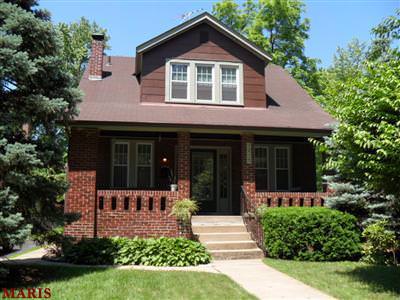
I also notice that almost all the small footprint homes are single story. I don’t know if that’s because they are often geared towards the elderly and are trying to make them as accessible as possible or if there is just a predisposition to single story now. Going back to a story-and-a-half design could provide some additional efficient space. The boxy design lends itself well to prefabricated construction, but we have had good success with panelized construction which is also efficient where duplication of layouts is possible.
I think the infrastructure issues will be more telling than the house floor plan in what the end selling or renting point is. As with their square foot home size, I think the lot buildout may be more economical here, but probably not by much. Many of the same regulations apply and our Comp Plan pushes more measures such as “complete streets” which add costs.

Starter Home Barriers
 As a way to track my thoughts and findings on Affordable Housing, I plan to continue posts here under the tags of “Affordable Housing” and “Sand Hill Farm“. This will include my thoughts and recollections from Culver’s Affordable Housing Task Force meetings. That way anyone interested in my take can follow along.
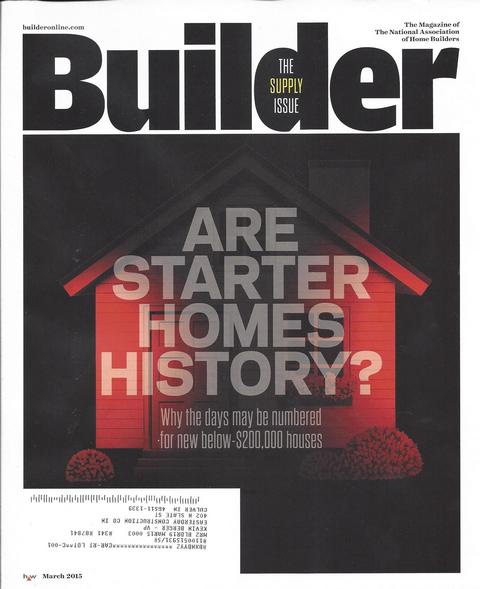
In that vein, I just read an article in Builder magazine titled: “Are New Starter Homes History?” I found some interesting take-aways from the article. Two of the biggest are that they consider a home under $200,000 a starter home and that the general rule for starter homes is 2.5 time median household income, which according to our last Affordable Housing Task Force meeting puts a starter home in Culver at $113,000. That’s not happening by any stretch of the imagination without serious subsidizing. Here are some other take-aways from the article:
- Making a $200,000 home work is Junior-high-level math. Solving for 20% profit – Land and building direct costs cannot exceed $160,000.
- The lowest build cost is around $50 a foot. To be competitive with existing stock, you need a 2000 sf home which gives you $100,000 for bricks and sticks and $60,000 for the lot. (That is a price for a developed lot with all the infrastructure, e.g., water, sewer, storm, streets, sidewalks, street lights, etc.)
- Metrostudy guidelines say estimated price per bulk lots has gone up from around $50,000 in the recession to over $80.000.
- Even if land can be secured at a reasonable cost, cash-thirsty localities heap fees upon fees that weigh more and more heavily on the final home price.
 Residential material costs have risen 45% in the last decade.
- One way to reduce per lot land costs is to increase density.
- Value engineering can bring down costs at the expense of amenities, i.e. build a no frills box.
- One question is does today’s starter-home buyer – a millennial adult more often than not – want to move into a boxy, no-frills home with Formica and vinyl after living in high-tech student housing and ritzy apartments. The expectation of what a customer thinks an entry level house is can be crazy. They want granite countertops, tile backsplash and stainless steel appliances.
- There are political ramifications to introducing lower-income citizens into established communities. Entry-level buyers new to the neighborhood take the not-in-my-backyard hit.
A lot of these are tainted by location. The commentary about millennials as the target may not be the same here, but when we target starting teachers, we may run into that mindset. Some of the expectations for the subsidized housing that Culver Academies provides gives credence to this mindset.
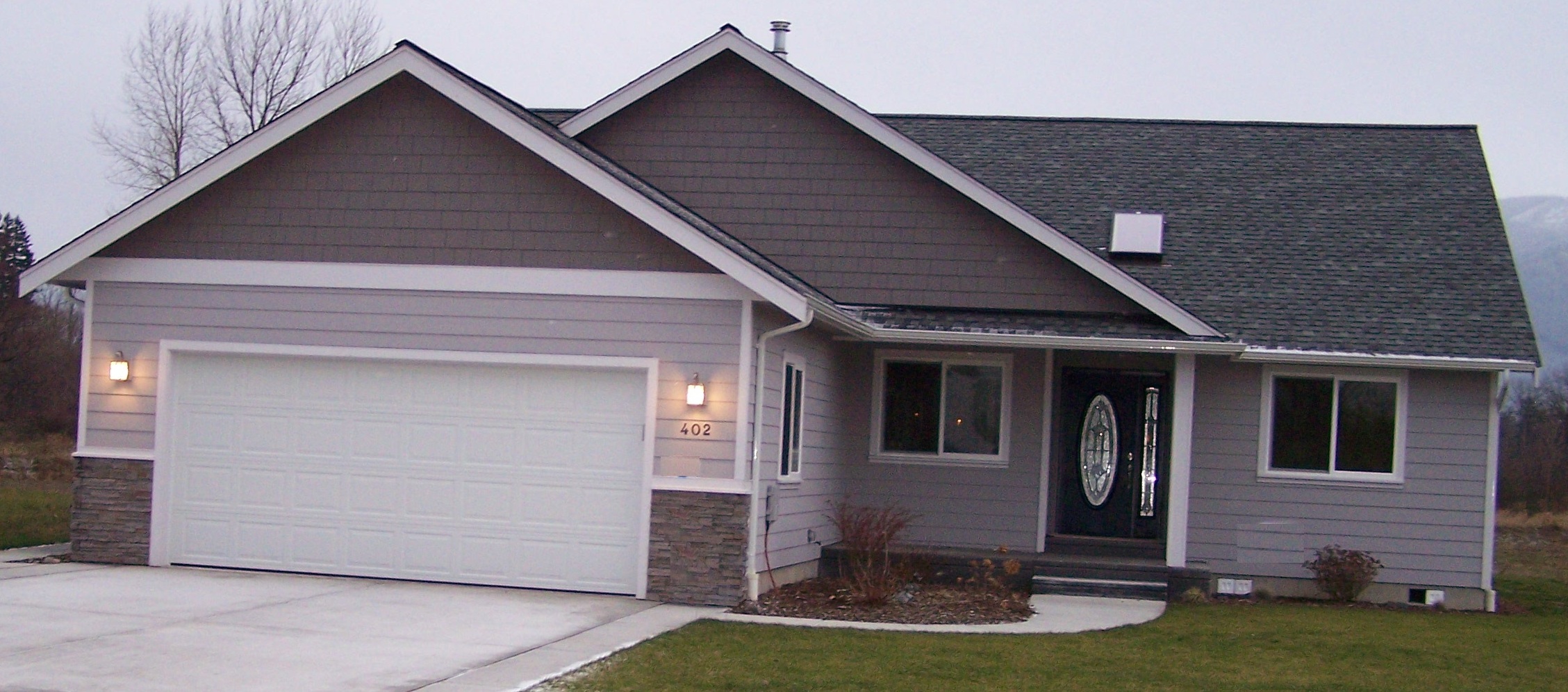
Home Image Source: Duane Sala Construction