Advances in battery technology has made the use of cordless tools on jobsite obiquitous. The NiCad and NiMH batteries are still the most prominent due to costs, but the new Li-ion batteries are quickly taking over. Despite their greater costs, they can generally provide more power with lighter weight batteries. (Be sure to dispose of failed batteries properly. Most manufacturers have recycling programs allowing the return of batteries that no longer work for recycling. Cadmium can have a detrimental effect on the environment if not handled properly.)
Along with the advances in the batteries there have been advances in how the tools and chargers manage the batteries. Sensors in the tools track the draw-down of the battery’s stored power and better manage it. Chargers optimize the charging time, run refresh cycles to even out battery cell usage reducing the memory effect and some include fans to reduce heat in the charging process.
All these things are improving the use of cordless tools on our jobsites. Cordless tools will continue to improve and are the wave of the future for construction workers.
Kreg Tool Company makes The Kreg Deck Jig™ that acts as a guide for installing deck screws at a controlled angle on the edge of the deck boards rather than on the surface. There are several systems on the market that accomplish this using special fasteners or clips, but this tool lets you accomplish the same thing with standard materials.
There are several advantages to concealed fastener systems:
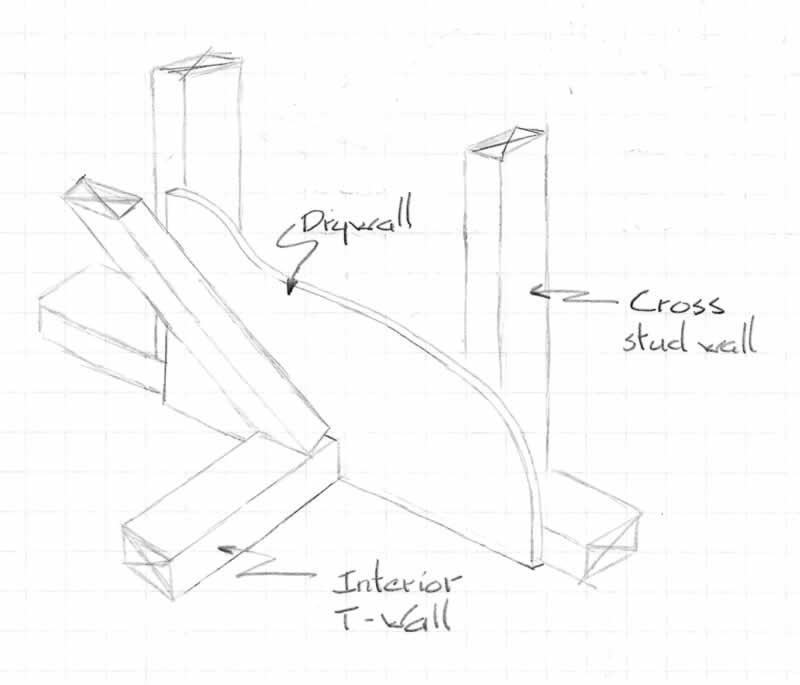
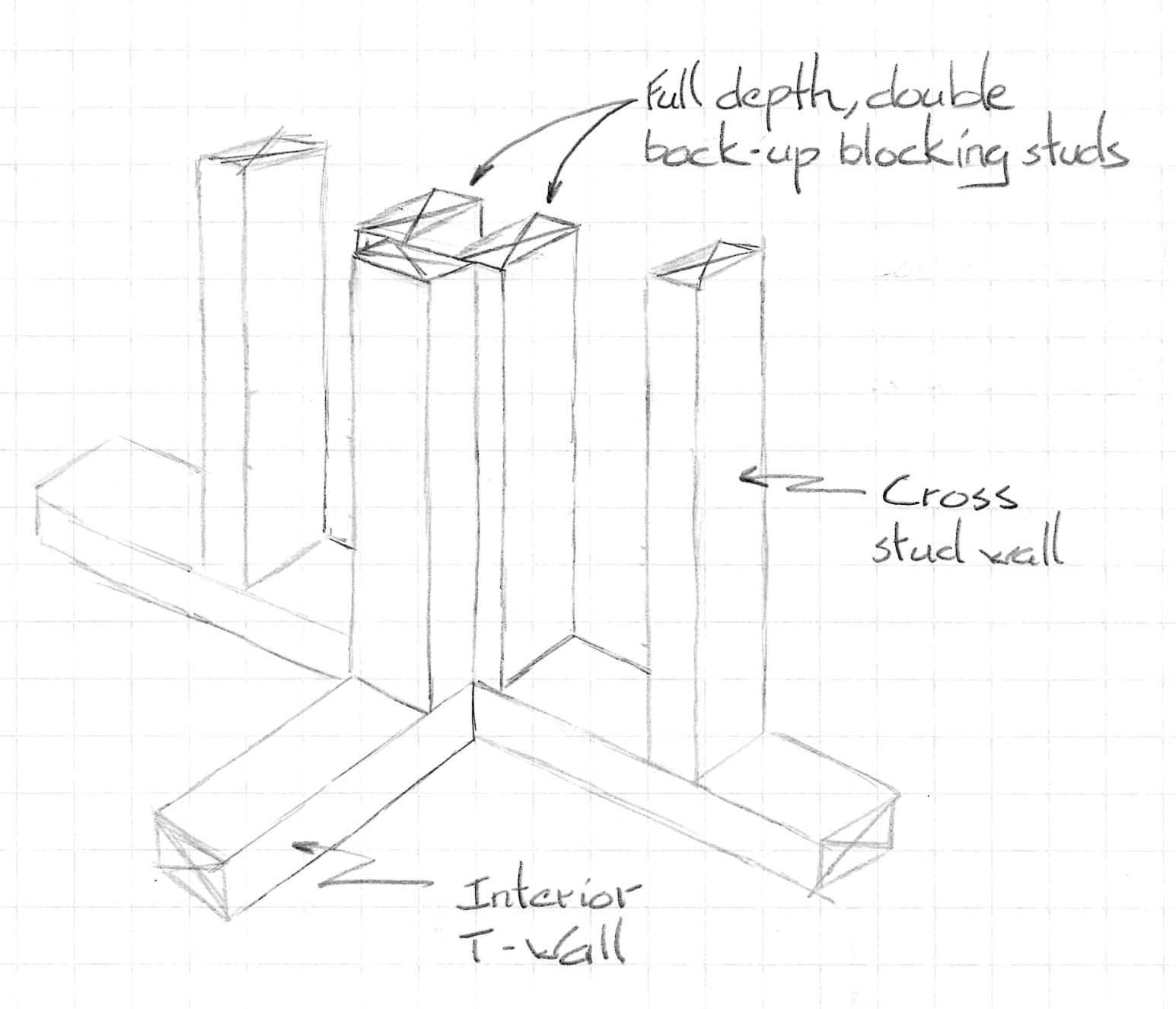
There are several ways we can improve the efficiences in the framing of outside corners. A California Corner is one designation for a wood framing pattern that rotates one of the three studs in exterior corners. On exterior walls this allows insulation to proceed all the way to the corner rather than creating an insulation void.
Anyone that knows me is aware of my disdain for Daylight Savings Time (DST). I humbly request that you take my grumblings with a grain of salt the next few weeks as I adjust. I am generally a fan of Benjamin Franklin and like to carry his likeness with me at all times, but when I found out that it was his writing of An Economical Project in 1784 that fostered DST, my respect for him dropped considerably! Honestly though, he would probably be quite amused that his tongue-in-cheek treatise based on his desire to stay up late and sleep until noon was adopted as international policy!
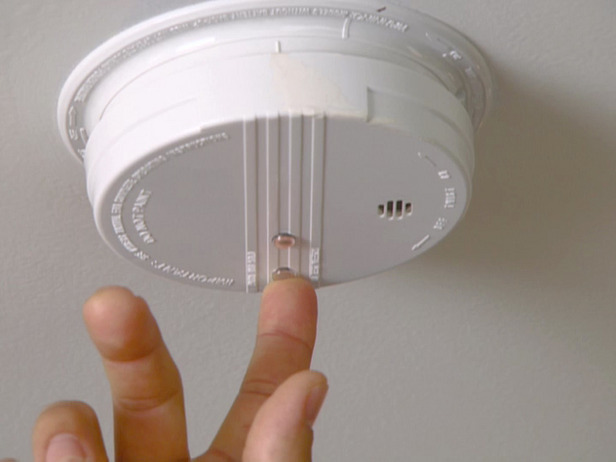
So, can we make lemonade from lemons here? The time change is a good time to check your smoke detectors. This is promoted by fire departments across the United States. First, minimally, go around and press the test button to be sure they’re working. Best would be to go ahead and change the batteries. Even the hardwired detectors often have battery back-ups. If the battery died while you were on vacation, you might not have heard that annoying chirp. Also, someone may have robbed the detector of its battery for a use they considered more of an emergency at that time. This is ALWAYS a bad idea! Drag your lazy butt to the store if the TV remote needs a new battery!
Second, review your smoke detector locations. If you have an older home, you may not have smoke detectors located to meet current codes and recommended standards. Check with your local building inspector for code requirements in your area. Check with your insurance company for their minimum standards which could be different. If you are adding smoke detectors, be sure and review the types available. Ionization smoke detectors are the most popular, mainly due to price. These economical units are reliable, but may not detect a slow, smoldering fire quickly. A photoelectic smoke detector uses a beam of light that is refracted when smoke is present. This is generally considered a better detector, but is also more expensive. You can find a well written comparison of the two here.
Third, consider adding carbon monoxide detectors. These devices give you another form of protection against unsafe air conditions.
Fourth, review your escape plan. The lives of you and your family may depend on it. Cool heads are rare in a fire, so make up for this by having an easy to follow plan that everyone in the family knows and understands. There is a good template on developing a fire escape plan here.
Lest you think I’m softening my position on DST, it is recommended that you check your smoke detectors once a year. It would be much better to do this on a once a year holiday such as Valentine’s Day (to protect your lover) or the 4th of July (because fireworks are fire hazards) or Christmas (you have the ladder out to put the star on the tree anyway). DST causes you to change the clocks twice a year, which will undoubtedly lead to confusion for some. But since the firemen have chosen the Spring DST clock change for this, there’s no sense bucking city hall… You’re already late! Check your smoke detectors now.
Ed. Note: Fire Chief Andrew made a good point in the comments: One additional item to mention comes from the NFPA website. “Having a smoke alarm cuts your risk of dying in a fire NEARLY IN HALF. Test yours today”
We’ve been dealing with ice dams this winter. Several clients have had issues in locations that they have never occurred before. Usually when they call though, the “dam” comes first and the spelling is different… Often it’s unclear if this new occurrence is due to a change in conditions with the building or an unusual weather pattern.
Ice dams are what occur at the eaves on buildings where snow and ice melt on a roof and the resulting water runs to the edge of the roof and refreezes. The dam actually occurs outside the building wall envelope. Unattended, water created by the dam can cause rot to occur on the roof deck and possibly on structural members, it can saturate insulation causing loss of R value, and eventually damage to interior finishes such as drywall, paint and wood trim.
Typical Ice Dam Condition
The typical ice dam is caused by a combination of poor attic insulation and poor attic ventilation. Heat escapes from inside of the building and into the attic. The heat in the attic warms the roof and causes the snow on the roof to melt. The water from the snow melt runs down the roof towards the eave. As it passes over the exterior wall where the roof hasn’t been warmed, the water refreezes and an ice dam forms. As the ice dam forms, it stops the water from reaching the eave and escaping. As the water refreezes, it expands and pushes back up the roof and often under the shingles. As it pushes up under the shingles, it breaches the weathertight barrier. As it passes back over the exterior wall, it gets back to the warm area and thaws again. The resulting water then drips in the attic. This is when the water problem occurs and is often the first time the ice dam becomes apparent.