
We generally talk about taxes being regressive or progressive. The income tax in the U.S. is generally considered a progressive tax system, i.e. the percentage of tax paid on income progressively increases the more you earn. The Top 10% of taxpayers in the U.S. paid 75% of the total income tax paid, while the bottom 50% of taxpayers pay 2.3% of total income tax paid, per the the Tax Foundation. This is opposed to sales tax, that is applied evenly across the board, but takes a larger percentage of a person’s total income, the lower they are on the income scale. While this is debated incessantly (“Billionaires don’t pay their fair share!”), the various governmental fees are rarely factored in.

I discussed this in a post (Deposit Dilemma) last year, when we first opened Riverside Commons Apartments in Plymouth. At that time, Plymouth required a $150 deposit to start water and REMC required a $350 deposit to start electric, for a total of $500. This for an apartment where some residents were paying less than $400 for rent due to their reduced income level. A similar problem has been brought to light in Culver as the Culver Town Council struggles to meet their water service obligations.
There was a Public Hearing for a new water rate ordinance at the Culver Town Council meeting last week. For various reasons, Covid being one of them, Culver has not raised rates in nearly 15 years. Kicking the can down the road has led to somewhat dire straights and they need to do something. Even those opposing specifics of the rate change, me included, acknowledge that some form of rate increase is needed. Because water service is a service, there is no methodology to do progressive billing. Fairness prevails and the rate goes up across the board with no favoritism. Where this falls apart is in the fire protection fees, specifically fees for fire sprinklers.
The State of Indiana requires new apartment buildings to have fire sprinkler systems if they have more than two units. Somewhere in the past, municipalities were advised to charge fees for these. In reality, it is a tax, as a fee would imply there is some service provided. No service is provided beyond providing water at the street, which they would do anyway. Because it’s termed a fee, there is sales tax attached to this, despite no product or service being provided. We can talk about the life safety benefits of a fire sprinkler system to residents and fire fighters another time, but this cost appears to be without merit.
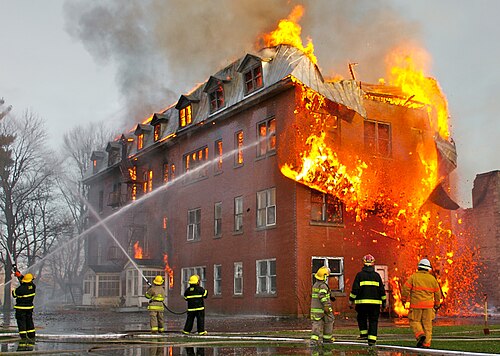
There is no inspection or scheduled inspections, no maintenance, and no record-keeping. The only justification is the cost of bringing water to the site, which the municipality would do anyway. Reasonably, water usage for a fire in a building with sprinkler system would be significantly less than that used to fight a fire using traditional methods, since fire sprinklers generally put out the interior source before the building is engulfed.
The existing fire sprinkler fee is $1,200. The new ordinance proposed a fee increase of 83% to $2,199. Several points on this:
- The fee is per system, with no adjustment for line size, square footage covered, commercial vs. residential. On a reducing scale of coverage, CabinetWorks pays the same fee as The Cove, which pays the same fee as Sand Hill Farm Apartments, which pays the same fee as one 8 unit building at The Paddocks. Because there are three separate apartment buildings with fire sprinklers at The Paddocks, they pay this fee three times.
- This fee had little justification before, but the increase is not tied to any increase in service or increase in cost other than the overall cost of the water system. Whether a structure has a fire sprinkler system or not, does not affect that cost.
- When this fee is applied to residential units, this results in a double hit, since the resident will experience the increased water bill for their water usage and then a second hit for the fire sprinkler fee. This may come as a rent increase for apartments or a HOA assessment for condos.
- Because this is labeled a fee, Sales Tax gets layered onto this, further increasing the burden.
- This unintentionally targets the most vulnerable. Renters often fall on the lower end of the income spectrum, so this fee is extremely regressive, hitting those least able to pay.
The Town Council did listen and delayed a vote on this. (Much Appreciated!) The Town Manager said he would do more research into this. I will be interested to hear the background on how this fee was set and whether there is an option for more fair and equitable sharing of costs.