 Even though we haven’t had a lot of snow this year, it’s still good to consider the effects on your home or building before it becomes an issue. Roofs in our area of Indiana are designed to handle snow loads, i.e. the accumulation of snow on rooftops and the weight associated with that. Most of our area has been designated by the Building Code to handle a 30 lb snow load. That means the structure is designed to hold 30 pounds of snow per square foot. This is a worst case scenario as we rarely see that quantity of snow.
Things to look for on the exterior are unusual drift patterns, ice damming that may be holding snow in a concentrated area, excessive icicles and structurally, drooping at the eaves. Things to look for on the interior of the building are leaks, bowing purlins, rafters or trusses. In the case of wood structures you can usually see where wood members are under stress. Generally in the roof structure this shows up as bowing, but occasionally the structural piece may be such that it begins to crush before bowing shows up.
If you decide that there is an issue where snow needs to be removed, tread lightly! LITERALLY! Remember the problem you are trying to correct is excessive weight on the roof. Your weight, or the weight of workers you employ to remove snow, create additional concentrated loading on the structure. Also remember that removing snow from a roof is not equivalent to removing snow from a driveway or parking lot. If you start moving the snow from the peak to the eave, left to right, as you often would when clearing snow from a driveway, you are increasing the concentrated load as you move the snow to the edge. You may well exacerbate the problem you hoped to solve!
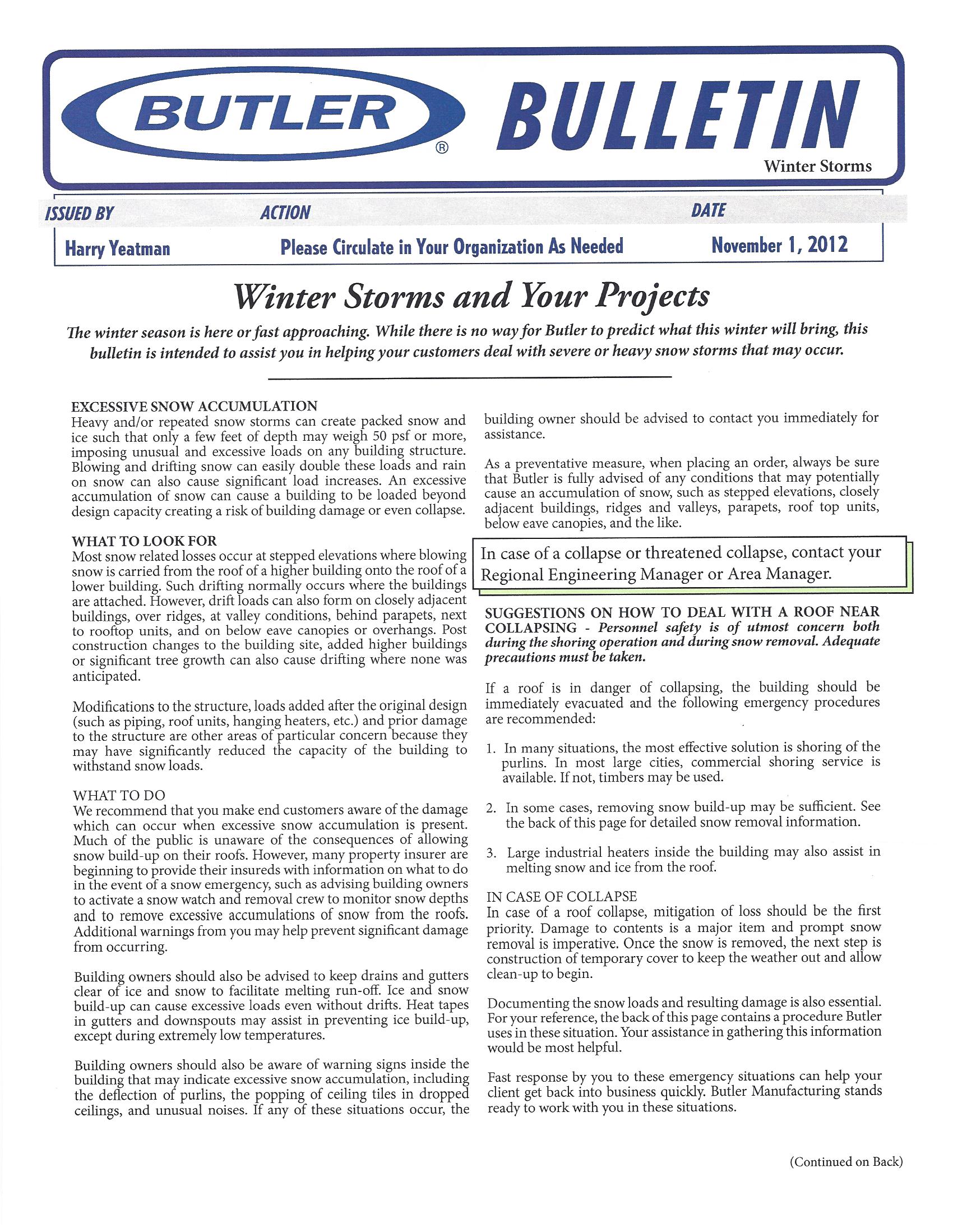 Butler Manufacturing Company (BMC) sends out an advisory on this for us to share with our clients. You can view the PDF here. It has some useful information on how to recognize a roof that may be overloaded, how to deal with a roof near collapse and how to document a roof collapse. Some of the information is specific to metal buildings, but much of it is also useful for conventional construction as well.
For a couple of other related, cold weather, roof posts, see one on attic insulation here and one on ice dams here.

 For those of you not on the mailing list, you can find the latest edition of the Marshall County Economic Development Corporation (MCEDC) newsletter here. It includes an article by the chairman of the board (me!) talking about the search for a new executive director. If you know anyone meant for this position, have them contact us. You can find the job description here.
 As chairman of Marshall County Economic Development Corporation (

 Internal lazy susans:
 Swivel-out shelves:
 Partitioned drawers:
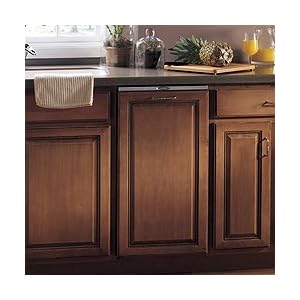 Hidden appliances:
  Build corner drawers. Right now, you likely have dead space where cabinets meet at 90-degree angles. Your existing cabinets can be modified to make use of deep, dead-corner spaces by building custom angled drawers. This will require a skilled finish carpenter, but in a tight space, the expense can be worth it.
 Add a pull out pantry. Custom cabinet makers can build specialty lengthwise drawers to fit in a space as narrow as five inches, as tall as 80 inches or more, and fit the depth of your cabinets. Although narrow, such pullouts can accommodate regular pantry fare, such as cereal boxes and soup cans.
 Hide it in the floor! Though an uncommon solution, in a truly cramped kitchen storage can be gained by adding a trap door in the floor to access the space between the floor joist for storage. Obviously not for your everyday items, this storage idea can gain a space approximately 10″ deep by 14″ wide by whatever length you choose. This isn’t something that you can do with a ceramic tile floor, but some other flooring finishes are conducive. As with the stud space storage discussed above, it is important to remember that there may be infrastructure currently using that space for which accommodations will be necessary.